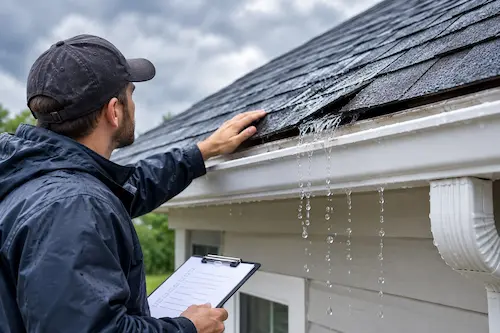
Roof Leaking? What to Do Before You Call a Roofer
Nobody thinks about their roof until water starts dripping through the ceiling. By then you’re stressed, the weather is bad, and it’s tempting to grab the first fix you find online. A calmer, step-by-step approach saves money and prevents the leak from coming back. This guide walks you through finding the source, making a safe temporary fix, deciding when to call a professional, and choosing one you can trust.
Why Roofs Leak in the First Place
Every roof ages. Sun, wind, freezing nights and heavy rain slowly wear down shingles, tiles, seals and metal flashing. Most leaks come from a short list of causes:
- Cracked, curled or missing shingles or tiles
- Damaged flashing around chimneys, skylights, vents and where two roof sections meet
- Clogged gutters that force water back under the roof edge
- Worn sealant around pipes and roof penetrations
- Ice dams in cold climates, where melting snow refreezes at the edge and traps water behind it
- Condensation from warm, humid indoor air, which can look like a leak but isn’t
Knowing these helps you search in the right places instead of guessing.
Step 1: Stay Safe and Limit the Damage
If water is actively coming in, deal with the inside first. Move furniture and electronics away from the area. Place a bucket under the drip. If the ceiling is bulging with trapped water, carefully poke a small hole at the lowest point so it drains into the bucket instead of collapsing. If water is near light fixtures or outlets, switch off the power to that room.
Never climb onto a wet, icy or windy roof. No repair is worth a fall. Wait for dry weather before going up, and use a sturdy ladder with someone holding the base.
Step 2: Check the Gutters First
A surprising number of leaks start with clogged gutters. When leaves and dirt block the flow, water backs up and creeps under the edge of the roof. Clean the gutters, flush them with a hose, and make sure the downspouts drain freely and away from the house. Then watch whether the problem goes away after the next rain.
Step 3: Find the Real Source of the Leak
The stain on your ceiling is almost never directly under the hole in the roof. Water runs along rafters, insulation and the underside of the roof deck before it finally shows itself, sometimes several feet away.
To trace it:
- Go into the attic with a flashlight during or just after rain.
- Look for wet insulation, dark streaks on the wood, or drops of water on nails.
- Follow the wet trail uphill. The source is usually higher than where the water appears.
- Check around anything that passes through the roof: chimneys, vents, pipes, skylights.
- From outside on a dry day, look for damaged shingles, cracked flashing and gaps in sealant. Binoculars from the ground work well.
If you can’t find it, a helper with a garden hose can wet the roof section by section while you watch from the attic. Start low and work upward, so you know exactly which area is letting water in.
Step 4: Make a Temporary Fix
A temporary fix buys you time until a proper repair. Common options include:
- Roofing sealant or cement for small cracks and gaps, applied to a clean, dry surface
- Replacing a damaged shingle by lifting the surrounding ones, removing the broken piece and nailing a new one in place
- A tarp over a larger damaged area, secured with boards so wind can’t lift it
Remember that sealant under a stain, in the wrong spot, only hides the problem for a while and lets it return worse. Treat all of these as short-term measures.
Step 5: Know When to Call a Professional
Some jobs are not for beginners. Call a roofer if:
- You can’t locate the source after a careful search
- The damaged area is large or the roof is steep
- The roof is old and showing wear everywhere, not just in one spot
- There is structural damage, sagging or widespread mold
- The leak keeps returning after you’ve repaired it
Many roofers offer a free first inspection, and it costs nothing to ask.
How to Choose a Roofer You Can Trust
Hiring the wrong person can cost more than the leak itself. Keep these points in mind:
- Get two or three quotes in writing, with materials and labor listed separately.
- Ask what happens if the price goes up in the middle of the job.
- Don’t choose on price alone. A suspiciously low quote often means cut corners.
- Ask about the warranty, and read the fine print.
- Ask friends, family and neighbors who they’ve used. A personal recommendation beats any advertisement.
- Check reviews and ask to see examples of previous work.
Beware of Door-to-Door Offers
After storms, strangers sometimes knock on doors offering quick, cheap roof repairs. Some are honest, but many aren’t. Never pay the full amount before work begins, never sign anything on the spot, and be careful with anyone who creates a sense of urgency. Take your time and do your own research.
How to Prevent Future Leaks
Prevention is far cheaper than repair:
- Inspect your roof twice a year, in spring and autumn, and after major storms.
- Keep gutters clean.
- Trim tree branches that touch or hang over the roof.
- Remove moss and debris that hold moisture against the surface.
- Make sure the attic is well ventilated and insulated to reduce condensation.
- Fix small problems immediately, before they grow.
Frequently Asked Questions
How much does it cost to fix a leaking roof?
It depends on the damage and where you live. A few replaced shingles or a bit of sealant can cost very little, while structural repairs or a full replacement cost much more. That’s exactly why early repair pays off.
Can I repair a roof leak myself?
Small, simple repairs like replacing a shingle or sealing a minor gap are within reach for many homeowners, as long as the weather is dry and you can work safely. Anything large, steep or structural belongs to a professional.
How long can a leak go untreated?
Not long. Within weeks, moisture can soak insulation, rot wood and start mold growth. Even a slow drip causes damage you can’t see.
Does home insurance cover roof leaks?
Often it covers sudden damage, like storm damage, but not leaks caused by wear and neglect. Check your policy, and document the damage with photos before repairs.
Final Thoughts
Roofs rarely fail overnight. They give warning signs: a stain on the ceiling, a loose shingle, a damp smell in the attic. Pay attention early, find the real source, and choose repairs and professionals carefully. A small fix today is almost always cheaper than a major repair next year.
Hi, this is a comment.
To get started with moderating, editing, and deleting comments, please visit the Comments screen in the dashboard.
Commenter avatars come from Gravatar.